Viareggio's station sits at Piazza Dante, roughly fifteen minutes on foot from the seafront. It is a junction on the Tyrrhenian coastal line, the Pisa–La Spezia stretch that also carries the Lucca branch. None of the services are fast trains, and that is the first thing to understand about the place.
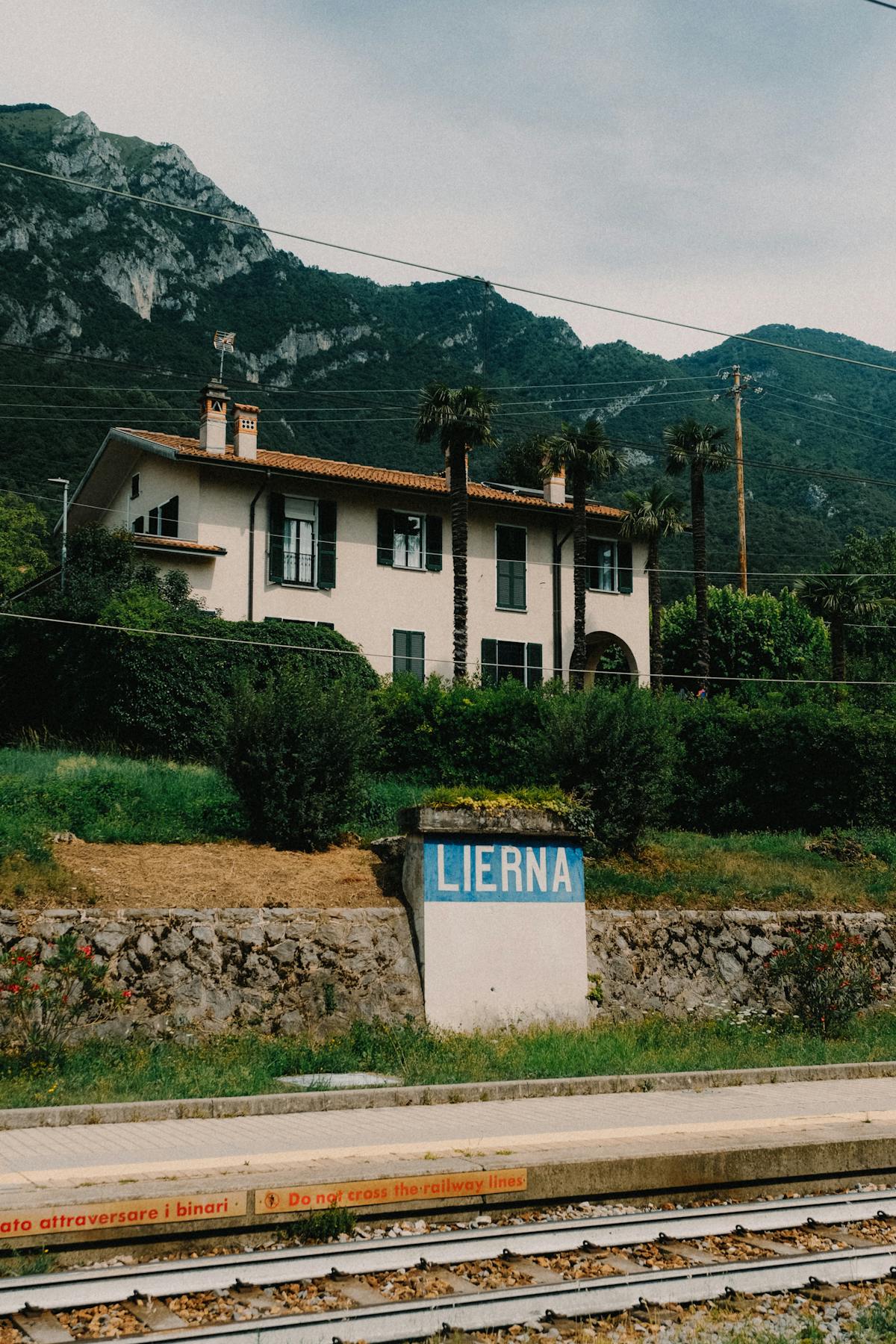
What the Station Is (and Isn't)
Viareggio is a regional hub, not a long-distance one. Service is dominated by Trenitalia Regionale and Regionale Veloce runs along the coast, plus the Lucca direct inland. A handful of Intercity and the occasional Frecciabianca stop here, mostly on the Rome–Genoa corridor, but they are the exception. Travellers expecting Frecciarossa rhythm will be disappointed; those who have made peace with regional rail will find the timetable generous.
One concourse with a newsstand-bar that sells the first useful espresso from around 05:45, two rows of ticket machines, an RFI information point that keeps theoretical hours, and four platforms reached by underpass. No lounge, no left-luggage office, no staffed Trenitalia desk off-peak.
A regional station that does its job is more useful than a grand one that doesn't. Viareggio is the first kind.
The Five Connections That Matter
Most onward journeys reduce to five routes. Fares are approximate second-class regional prices as of April 2026; Intercity and Frecciabianca supplements apply on the rare occasions a premium service stops.
| Destination | Route | Duration | Approx. fare | Notes |
|---|---|---|---|---|
| Lucca | Direct regional | ~26 min | €3.60 | Several direct runs daily; the rest require Pisa change |
| Pisa Centrale | Regional / RV, coastal | ~22 min | €3.60 | Every 30–60 min; the busiest stretch in summer |
| Firenze S.M.N. | Via Pisa or via Lucca | ~1h30 | €9–12 | Both routings roughly even; Lucca side is quieter |
| La Spezia Centrale | Regional, coastal north | ~50 min | €6–8 | Gateway to the Cinque Terre beyond |
| Pisa Airport (PSA) | Regional + PisaMover at Pisa C.le | ~45 min end-to-end | ~€8.60 | Connection depends on the regional feeding in on time |
The Lucca direct is the connection most travellers underestimate. It runs only a handful of times a day, but when it aligns with a plan it halves the effort — twenty-six minutes through Massarosa and Nozzano into Lucca's walls.
Both Firenze routings take roughly ninety minutes. The Lucca side is meaningfully less crowded, with better odds of a seat on a Sunday evening.
Platforms, Ticket Machines, and Small Gotchas
Four platforms, numbered 1 through 4. Platform 1 is adjacent to the station building and handles most inbound arrivals from the Lucca side. Platforms 2, 3 and 4 sit across the underpass and rotate between Pisa- and La Spezia-bound services. Concourse departure boards are correct more often than platform signage, which has been known to lag a late-running train by several minutes.
Ticket machines accept cards and cash; cash slots are temperamental on older units. Both the Trenitalia app and Italo's online sales (for the rare Italo runs that stop in the region) skip the queue. Validation for paper regional tickets is still required — yellow or green posts near the platform entrance, firm push until the date prints. An unvalidated paper ticket is a fifty-euro conversation nobody wants with an inspector at Pisa.
Two practical notes on crowding:
- On summer weekends — roughly mid-June through the first week of September — Pisa-bound regionals between 17:00 and 19:30 fill visibly with beach-day traffic heading back inland. A Regionale Veloce, where the option exists, is worth the extra euro.
- Platform 1 during Carnival weekends in February sees the reverse: inbound from Pisa and Lucca disgorging masked day-trippers in waves. Leaving from a non-adjacent platform is faster than fighting the tide.
Bikes, Left Luggage, and the Lack Thereof
Viareggio does not have a left-luggage office. Travellers with a late flight out of Pisa who want a last day on the beach routinely discover this at 10 a.m. Workable alternatives, in order of reliability: privately operated luggage-storage points near Piazza Mazzini (commercial tags Radical Storage or Bounce, €5–7 per bag per day); the reception of a sympathetic seafront hotel if you are a recent guest; a bar owner tipped reasonably across two coffees.
After Dark
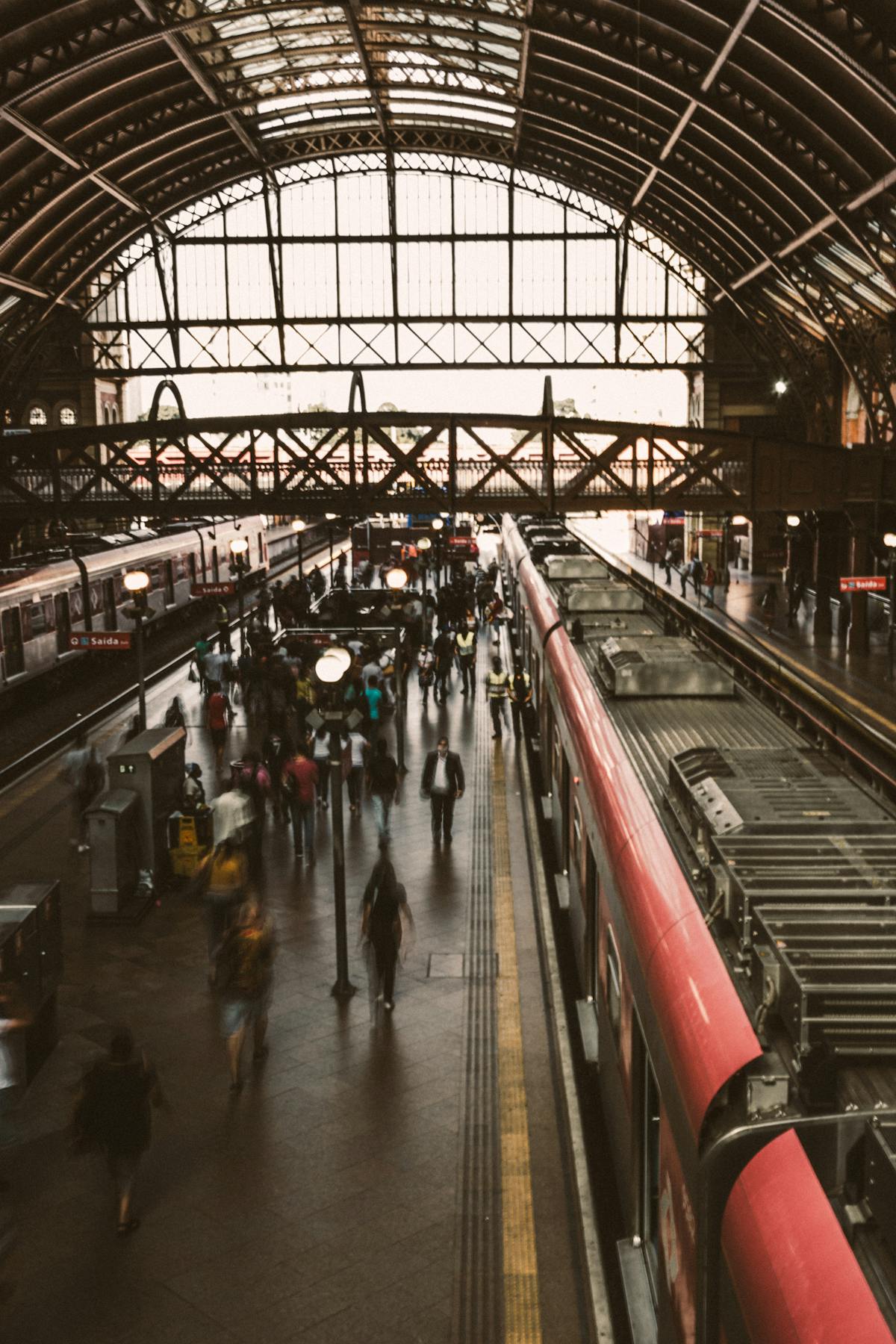
Character shifts after the last regional. From roughly 23:15 onward the concourse empties, newsstand shutters close, and the benches outside become the domain of the local night. A logistics warning rather than a security one: a traveller who misses the last service home will not find help at the station itself. Taxis queue sporadically outside the main entrance until roughly midnight, more reliably on weekends.
Walking from Piazza Dante to the seafront is well-lit and carries foot traffic late. Inland — toward the residential blocks east of the tracks — it thins quickly. For night arrivals without accommodation booked, head seaward first and sort the rest from a lit bar.
For onward airport connections where the regional timetable has run out, see our entry on Pisa Airport to Viareggio. Infrastructure detail on the line — engineering works, timetable variations, occasional closures — is published by RFI rather than by the train operator, which confuses almost everyone on their first trip. Broader editorial context on the coast is handled reliably by Lonely Planet's Versilian coast pages.